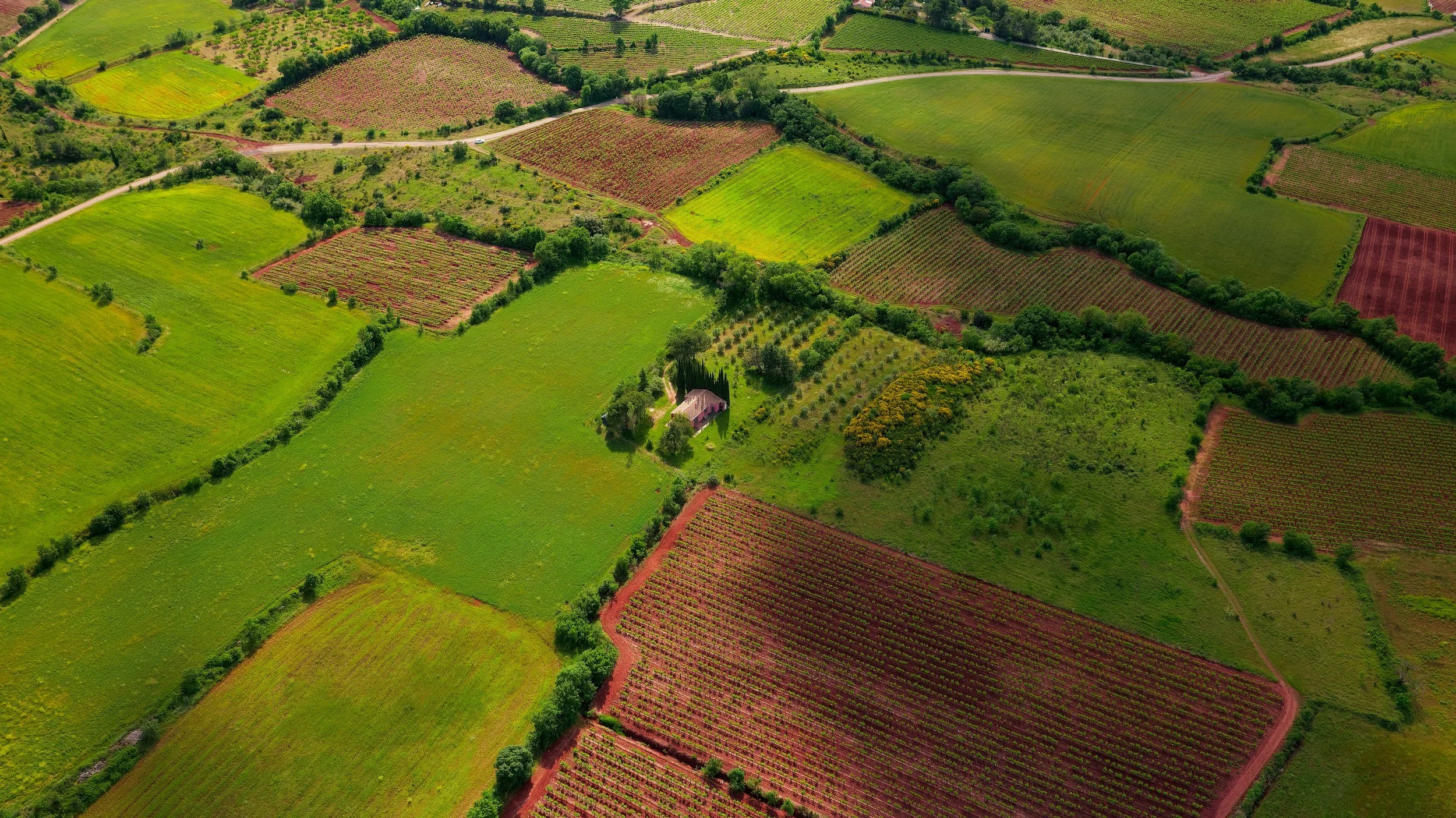
When purchasing farmland, ranchland, or other rural property, the asking price does not always represent the property’s market value. A professional land appraisal can help buyers, sellers, and lenders better understand what the property may be worth.
An appraisal is often an important part of the land loan process.
What Is a Land Appraisal?
A land appraisal is an independent estimate of a property’s value. The appraiser reviews the property and compares it with relevant market information.
The appraisal may consider:
Property location
Acreage
Soil quality
Water access
Fencing
Buildings and improvements
Road access
Current land use
Comparable property sales
Local market conditions
Rural properties can vary significantly, even when they are located near one another. That is why an appraisal involves more than simply multiplying the number of acres by an average price.
Why Lenders Require Appraisals
When a lender provides land financing, the property often serves as collateral for the loan. The appraisal helps the lender determine whether the property provides adequate value for the requested financing.
The appraisal does not decide whether a borrower will be approved. The lender may also review income, credit, debt, cash flow, and other financial information.
How an Appraisal Helps the Buyer
An appraisal can also give the buyer additional information before completing the purchase.
It may help answer questions such as:
Is the purchase price supported by the market?
Do property improvements add meaningful value?
Are there features that may affect future use?
Is the acreage suitable for the buyer’s intended purpose?
An appraisal should not replace an inspection, survey, title review, or environmental evaluation. However, it can be an important part of the buyer’s overall due diligence.
Land Appraisal Versus Property Inspection
An appraisal and an inspection serve different purposes.
An appraisal estimates value. An inspection examines the physical condition of structures or systems on the property.
Depending on the type of rural property, buyers may also need:
A boundary survey
A title search
A water or well inspection
A septic inspection
Soil testing
An environmental assessment
Your lender, attorney, or real estate professional can help explain which evaluations may be appropriate.
Preparing for a Land Loan
Before applying for land loans, gather as much information as possible about the property.
Helpful details may include:
Purchase agreement
Legal description
Acreage
Current land use
Existing leases
Property improvements
Intended future use
Expected down payment
You can also use a loan calculator to estimate possible payments before discussing the property with a lender.
Make an Informed Land Purchase
Purchasing rural property is a major decision. A professional land appraisal helps establish an independent estimate of value and supports the financing process.
Oklahoma AgCredit can help buyers explore financing options for agricultural land, ranchland, recreational acreage, and other qualifying rural properties.