What to Consider Before Financing Livestock
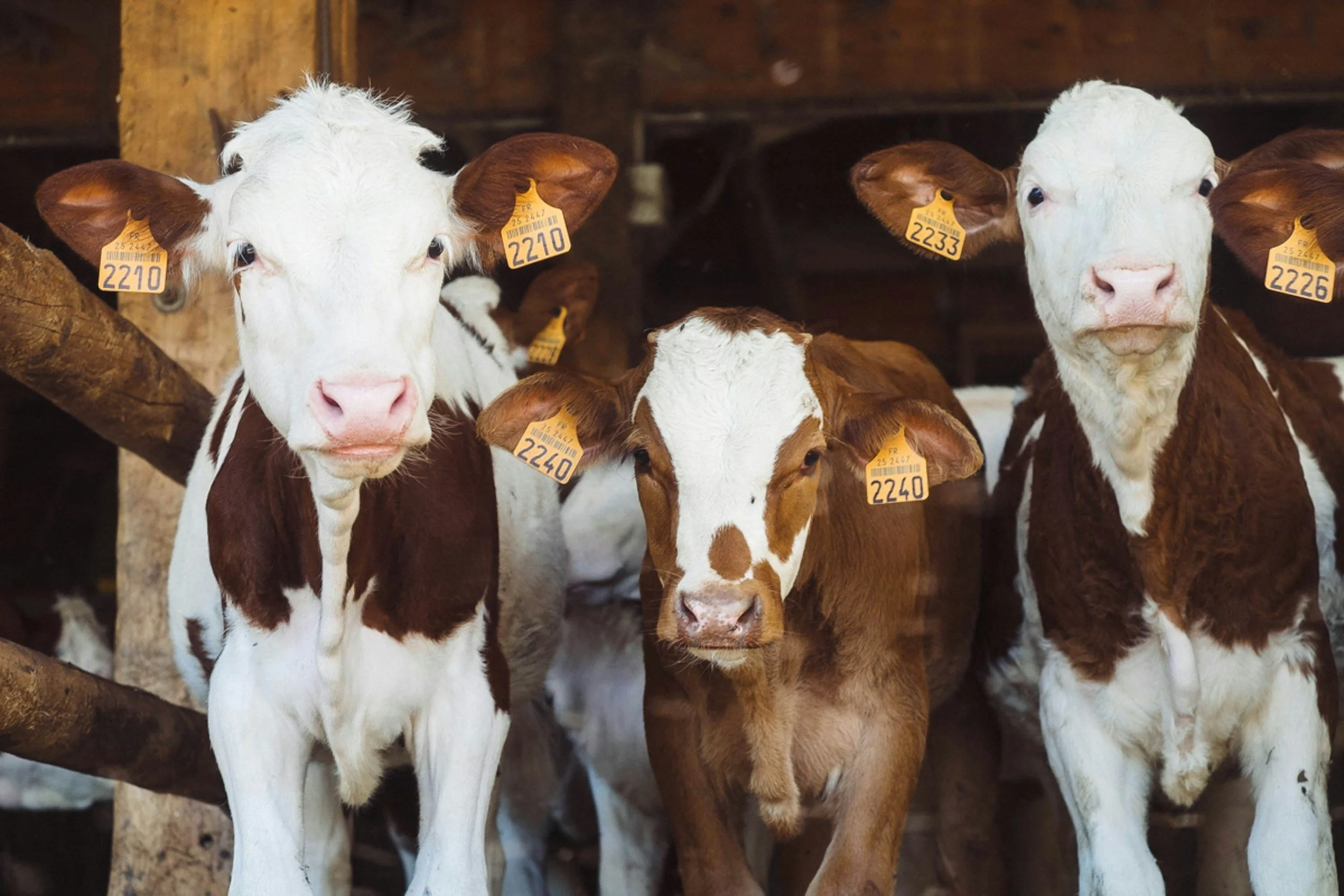
Purchasing livestock can be an important step for a new or growing agricultural operation. It can also require a significant financial investment.
Livestock loans may help producers purchase animals, expand a herd, improve facilities, or support other needs related to livestock production. Before applying, it is important to consider the full cost of the investment.
Understand the Total Cost
The purchase price of the animals is only one part of the total expense. Producers should also plan for costs such as:
Feed
Veterinary care
Fencing
Water systems
Transportation
Insurance
Labor
Equipment
Pasture maintenance
Creating a complete budget can help you determine how much financing may be needed.
Evaluate Available Land and Facilities
Before adding livestock, make sure the property can support the number and type of animals you plan to purchase.
Consider:
Available grazing land
Fencing conditions
Water access
Shelter
Handling facilities
Feed storage
Biosecurity needs
A livestock investment may also require additional land financing or an equipment purchase. Planning for those expenses in advance can help prevent delays.
Review Production and Sales Plans
A lender may want to understand how the livestock will generate revenue. Your plan should explain the type of operation, expected production cycle, estimated operating costs, and intended sales strategy.
For example, the needs of a cow-calf operation may differ from those of a stocker, dairy, poultry, or specialty livestock operation.
A clear plan helps demonstrate how the financing fits into the overall business.
Prepare for Market Changes
Livestock markets can change. Feed prices, animal health, weather, and demand may all affect profitability.
Before applying for financing, consider several possible outcomes rather than relying only on the best-case scenario. A realistic plan should include room for unexpected costs or changes in market conditions.
Choose the Right Repayment Structure
Livestock income may be seasonal or tied to a specific production cycle. The repayment schedule should reflect how and when the operation earns revenue.
An agricultural lender may help structure payments around the operation’s expected cash flow.
Keep Accurate Records
Strong recordkeeping can help you monitor the performance of your livestock investment. Useful records include:
Purchase information
Feed expenses
Veterinary expenses
Birth and weight records
Mortality records
Sales information
Profit and loss statements
These records can also support future applications for farm loans or expansion financing.
Build a Financing Plan That Supports Growth
Livestock financing should be based on the needs and financial strength of your operation. Carefully reviewing costs, facilities, cash flow, and market risks can help you make a stronger decision.
Oklahoma AgCredit works with agricultural producers to understand their goals and explore financing options for livestock, land, equipment, and other agricultural needs.