When Does Financing Farm Equipment Make Sense?
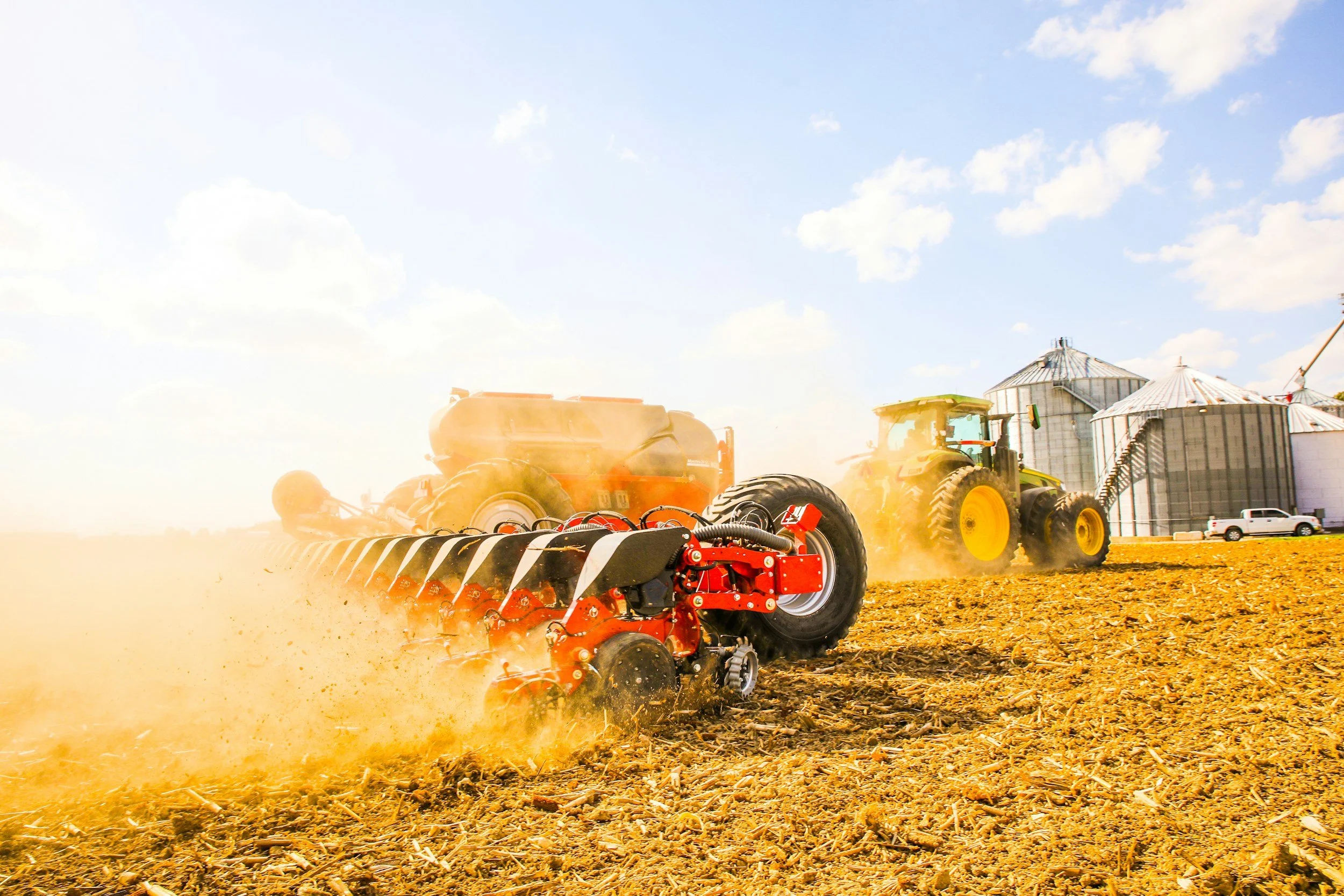
Reliable equipment is essential for many farms and ranches. However, purchasing tractors, trailers, implements, or other machinery can require a large amount of capital.
Equipment loans may allow an agricultural operation to obtain necessary machinery while preserving cash for other expenses.
Signs It May Be Time to Replace Equipment
Older machinery is not always a problem. However, replacement may be worth considering when:
Repairs are becoming frequent
Downtime is affecting production
Parts are difficult to obtain
The equipment no longer meets the operation’s needs
Newer technology could improve efficiency
The cost of repairs is approaching the equipment’s value
The decision should be based on the financial impact of keeping the existing equipment compared with replacing it.
New Versus Used Equipment
Both new and used equipment can be appropriate, depending on the operation.
New equipment may offer warranties, newer technology, and fewer immediate repairs. Used equipment may have a lower purchase price but could require more maintenance.
Before purchasing used machinery, review:
Equipment hours
Maintenance history
Overall condition
Tire or track condition
Known mechanical issues
Availability of replacement parts
Current market value
An inspection by a qualified professional may help identify potential problems.
Review the Effect on Cash Flow
Before applying for financing, calculate the expected payment and compare it with the operation’s available cash flow.
Consider whether the equipment will:
Reduce labor costs
Lower repair expenses
Increase production
Improve planting or harvest timing
Allow the business to provide a new service
Replace rented equipment
The purchase should provide a practical benefit to the operation.
Choose a Repayment Schedule That Fits the Operation
Farm and ranch income may be seasonal. An agricultural lender may be able to discuss repayment options that reflect the operation’s cash-flow cycle.
A loan calculator can provide a basic estimate, but the final payment will depend on the approved loan amount, interest rate, fees, and term.
Avoid Purchasing More Equipment Than You Need
It can be tempting to buy the largest or newest machine available. However, equipment should be matched to the actual size and needs of the operation.
Purchasing more capacity than necessary can result in higher payments, maintenance expenses, insurance costs, and depreciation.
Prepare Before Applying
Before speaking with a lender, gather:
Equipment description
Purchase price
Seller or dealer information
Trade-in value
Current financial records
Expected down payment
Explanation of how the equipment will be used
A strong plan helps the lender understand how the purchase supports the operation.
Oklahoma AgCredit can help farmers, ranchers, and agricultural businesses discuss financing options for tractors, machinery, trailers, and other qualifying equipment.